
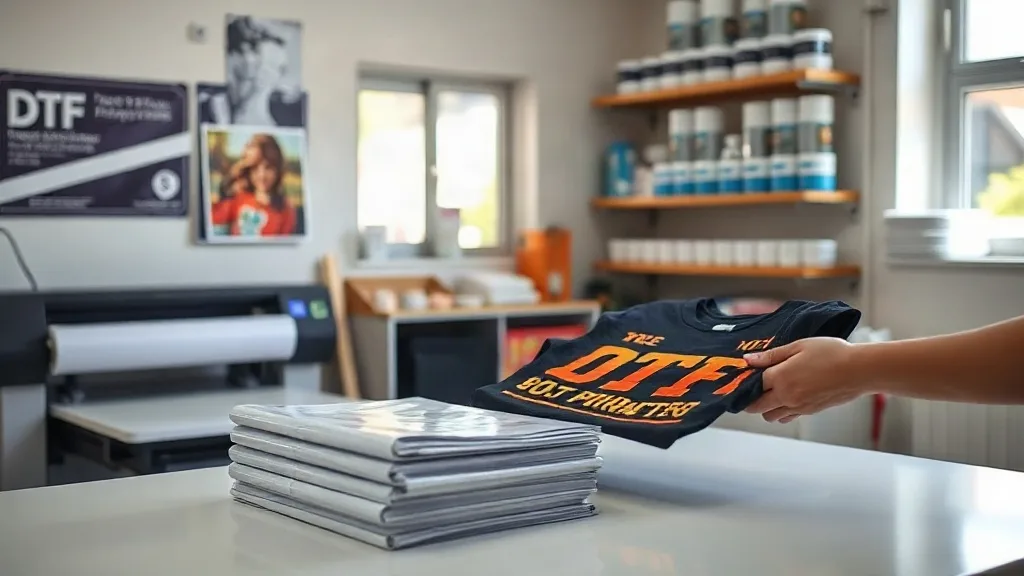
Walk into any print shop that's been around for a few years, and you'll hear stories about the early days of dtf transfers. The excitement of vibrant, full-color prints without the hassle of screens, followed by the frustration of cracked designs, faded colors, and customers demanding refunds. The difference between a shop that thrives and one that struggles often comes down to one thing: consistency. If you can't reproduce the same quality day in and day out, you're not running a business; you're running a gamble.
I've spent the last five years helping small apparel brands and print shops dial in their DTF processes. I've seen amazing prints come off cheap setups and disastrous ones come off expensive equipment. The truth is, consistency isn't about having the fanciest gear. It's about understanding the variables that affect your output and controlling them with discipline. In this guide, I'll share the practical lessons I've learned on the shop floor, so you can stop crossing your fingers and start shipping reliable products.
The Foundation: Film and Powder Matter More Than You Think
When people talk about dtf printing, they often focus on the printer itself. But in my experience, the film and powder you use can make or break your entire operation. I've seen shops try to save a few cents per sheet by buying bargain film, only to spend hours troubleshooting jams and inconsistent ink absorption. The film needs to hold the ink without bleeding, and it needs to release cleanly during transfer. A good rule of thumb: if the film feels flimsy or has a strong chemical smell, it's probably not worth the savings.
Powder is another critical component. The adhesive powder must melt evenly and bond with the ink. If you're using a powder that's too coarse or too fine, you'll get either a gritty texture or poor wash durability. I recommend sticking with a reputable brand and storing it in a dry, sealed container. Moisture is the enemy here; clumpy powder leads to uneven application and weak spots in the final print. Also, pay attention to the mesh size. A 80-100 micron powder works well for most applications, but if you're printing fine details, a finer powder (around 60-80 microns) can help preserve sharpness.
Why Cheap Film Costs More in the Long Run
I learned this lesson the hard way. A supplier once offered me a killer deal on film, and I jumped at it. The first few sheets printed fine, but then the problems started: ink smudging, film curling, and transfer failures. I ended up reprinting half the order and losing a customer. The few dollars I saved per pack were nothing compared to the lost revenue and reputation damage. Now, I only use film that's been tested and recommended by other shop owners. It's better to pay a little more upfront than to deal with the headaches later.
Mastering the Press: Temperature, Pressure, and Time
Even with the best materials, your press settings can ruin a good print. The three pillars of heat pressing are temperature, pressure, and time, and they all need to be in harmony. For DTF, a typical starting point is 320°F (160°C) with medium pressure for 10-15 seconds. But that's just a starting point. Different fabrics and transfer sizes may require adjustments.
Let's talk about pressure. Too little pressure, and the transfer won't adhere properly; too much, and you'll flatten the fabric or cause the design to spread. I always recommend doing a test press on a scrap piece of the actual garment you're using. Every fabric behaves differently. For example, a 100% cotton tee might need slightly more pressure than a polyester blend. And don't forget about the peel. For DTF, you should wait until the transfer is completely cool before peeling the film. This is called a cold peel, and it ensures the adhesive has fully bonded. Peeling while hot can stretch the design or leave residue.
The Importance of Pre-Pressing
One step that many beginners skip is pre-pressing the garment. This removes moisture and wrinkles, creating a smooth surface for the transfer. I can't tell you how many times I've seen a print fail because the shirt wasn't pre-pressed. It takes just a few seconds, but it makes a world of difference. Set your press to the same temperature you'll use for the transfer and give the shirt a quick press for 3-5 seconds. This simple habit will improve your consistency immediately.
Quality Control: Catching Issues Before They Ship
Consistency isn't just about production; it's about inspection. You need a systematic way to check each print before it goes out the door. I use a simple three-point checklist: color vibrancy, edge sharpness, and adhesion. Hold the print under good lighting. Are the colors as vibrant as the proof? Are the edges crisp, or are they feathering? Run your finger along the edge; if it lifts easily, it's not adhered properly. I also do a stretch test on a scrap piece: stretch the fabric gently and see if the print cracks. If it does, you've got a problem with your powder or press settings.
Another common issue is the "ghosting" effect, where a faint outline appears around the design. This usually happens when the film shifts during pressing or when the powder isn't fully melted. To avoid this, make sure your transfer is positioned correctly and held in place with heat-resistant tape if necessary. And always double-check that your powder is fully melted before pressing; you should see a glossy, uniform surface.
Choosing the Right Blanks for DTF
The garment you print on is just as important as the transfer itself. Not all blanks are created equal, and some fabrics just don't play nice with DTF. I've found that 100% cotton and cotton-poly blends work best. Avoid fabrics with a high polyester content (over 50%) unless you're using a low-temperature transfer, as the heat can cause scorching or dye migration. Also, consider the fabric's texture. A smooth, tight-knit surface will give you a cleaner print than a rough, loose-knit one.
If you're looking for reliable blanks, Shaka Wear and Smart Blanks are popular choices among DTF printers. They offer consistent sizing and fabric quality, which is crucial for repeat orders. But regardless of the brand, always test a new blank before committing to a large run. I keep a notebook with notes on how different blanks perform with my DTF setup. It's a lifesaver when a customer requests a specific style.
Finding Reliable Supplies and Services
Whether you're a seasoned pro or just starting out, sourcing quality materials and services is key. If you're searching for dtf transfers near me, you're likely looking for a local supplier who can provide fast turnaround and consistent quality. Building a relationship with a local supplier can be a game-changer. You can discuss your specific needs, get samples, and even troubleshoot issues together. Plus, you'll save on shipping and reduce lead times.
For those who prefer online ordering, make sure to read reviews and ask for samples before placing a large order. A good supplier will be transparent about their materials and provide support when things go wrong. I always recommend starting with a small test order to evaluate color accuracy and durability. And don't be afraid to ask questions; a reputable supplier will be happy to help.
Common Pitfalls and How to Avoid Them
Even with the best intentions, mistakes happen. Here are a few common pitfalls I've encountered and how to steer clear:
- Inconsistent powder application: Use a powder shaker for even coverage, and always shake off excess powder before curing.
- Improper curing: Make sure the powder is fully melted. It should look glossy, not matte. If it's matte, it needs more heat.
- Pressing on a damp shirt: Always pre-press to remove moisture. A damp shirt can cause steam, which ruins the transfer.
- Using the wrong peel method: DTF is a cold peel. Wait until the transfer is completely cool before peeling.
- Ignoring fabric composition: Test on the actual fabric. What works on cotton may fail on polyester.
Another pitfall is skipping the quality check. It's tempting to rush when you're busy, but a few seconds of inspection can save you from a costly return. I've instituted a rule in my shop: no print leaves without a second pair of eyes. It's reduced our error rate dramatically.
Scaling Up Without Sacrificing Quality
As your business grows, maintaining consistency becomes even more challenging. You might be tempted to cut corners to keep up with demand, but that's a recipe for disaster. Instead, standardize your process. Create a checklist for each step, from pre-pressing to final inspection. Train your team on the importance of each step, and empower them to speak up if something looks off. Invest in good equipment and maintain it regularly. A well-maintained printer and press will produce more consistent results than a neglected one.
Also, consider using a gangsheet builder to maximize efficiency. By grouping multiple designs onto a single sheet, you reduce waste and save time. But again, don't let speed compromise quality. Always review the gangsheet before printing to ensure everything is correct.
Frequently Asked Questions
How do I prevent my DTF transfers from cracking after washing?
Cracking usually means the powder wasn't fully melted or the press settings were off. Make sure your powder is cured until glossy, and use the correct temperature and pressure. Also, wash the garment inside out in cold water and avoid high heat in the dryer.
Can I use DTF transfers on dark-colored shirts?
Yes, DTF transfers work great on dark fabrics because the white ink layer provides a bright base. Just ensure your design has a white underbase and that the powder is applied evenly.
What's the best way to store unused DTF transfers?
Store them in a cool, dry place away from direct sunlight. Keep them flat to prevent curling. I recommend using a ziplock bag or airtight container to protect them from moisture and dust.
How long do DTF transfers last?
With proper application and care, DTF transfers can last as long as the garment itself. Wash after wash, the print should remain vibrant and intact. Following the care instructions is key.
Do I need a special printer for DTF?
Yes, DTF requires a printer that uses DTF ink and a powder shaker. You can convert some inkjet printers, but it's best to use a dedicated DTF printer for consistent results.
Consistency in DTF printing isn't magic; it's a combination of quality materials, precise settings, and a commitment to checking your work. By following these guidelines, you'll build a reputation for reliability that keeps customers coming back. And in this business, that's the only way to grow.