
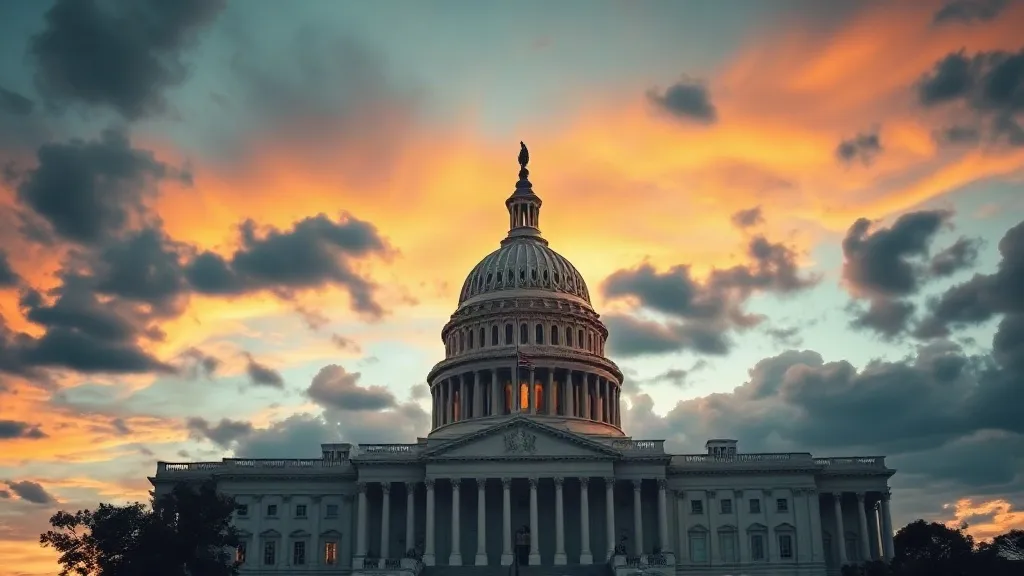
In a sharply divided vote, the House has blocked an attempt to impeach Defence Secretary Pete Hegseth, ending, at least for now, a congressional push to remove him over his conduct of the war with Iran. The effort, led by a group of opposition lawmakers, failed to gain the necessary support, underscoring the political and procedural hurdles facing impeachment proceedings and raising questions about congressional oversight of military actions.
The Impeachment Effort and Its Defeat
The impeachment drive against Hegseth centered on allegations that he overstepped his authority and mishandled the conflict with Iran, potentially violating the War Powers Act and other statutes. Critics argued that his decisions, including the ordering of military strikes without explicit congressional approval, constituted grounds for removal. However, after debate, the House voted to block the measure, with supporters of the secretary dismissing the charges as politically motivated and lacking substantive evidence.
The vote reflects the broader partisan split in Congress over foreign policy and the conduct of the war. While some lawmakers insisted that accountability is essential, others contended that the impeachment attempt was a distraction from more pressing issues and an overreach of congressional power. The outcome leaves Hegseth in place, but the controversy is unlikely to fade quietly.
Background: The Iran War and Hegseth's Role
Pete Hegseth assumed the role of Defence Secretary amid heightened tensions with Iran. His tenure has been marked by a series of aggressive military postures, including targeted strikes and increased naval presence in the Persian Gulf. These actions, while supported by the administration as necessary to deter Iranian aggression, have drawn criticism from those who argue they bypassed constitutional checks and risked escalating the conflict.
The impeachment effort was spearheaded by lawmakers who believe Hegseth's actions exceeded his mandate and endangered national security. They pointed to specific incidents, such as the ordering of drone strikes without congressional notification, as evidence of misconduct. However, the secretary's defenders argued that he acted within his authority and in the best interests of national security, and that the impeachment push was a partisan stunt.
Why the Vote Matters
The House's decision to block the impeachment is significant on multiple levels. First, it reinforces the president's control over military policy and signals that Congress is unlikely to challenge the administration's handling of the Iran conflict through impeachment. Second, it highlights the difficulties of holding cabinet officials accountable for military actions, especially when the president's party controls at least one chamber of Congress.
Moreover, the vote could have implications for the broader war powers debate. Some legal experts argue that the failure to impeach sets a precedent that future secretaries may cite to justify unilateral military actions. Others contend that the impeachment process, while unsuccessful, served to spotlight the need for clearer guidelines and congressional oversight.
From a business perspective, the stability of the Defence Department and the continuity of military policy are crucial for defense contractors and industries reliant on government spending. The vote averts a potential leadership vacuum that could have disrupted ongoing operations and procurement processes. Companies with defense contracts will be watching closely to see if the controversy leads to any changes in policy or budget priorities.
What's Next for Hegseth and Congress?
With the impeachment threat set aside, Hegseth is expected to continue in his role, but the underlying tensions remain. Congressional Democrats have vowed to pursue other avenues of oversight, including hearings and investigations into the conduct of the war. The administration, meanwhile, has signaled it will defend the secretary and its Iran policy vigorously.
The episode also raises questions about the future of the War Powers Act and the balance between executive and legislative authority in military affairs. Some lawmakers from both parties have expressed interest in revisiting the legislation to clarify the president's ability to order military action without congressional approval. However, given the current political climate, meaningful reform seems unlikely in the near term.
For now, the focus shifts back to the war itself and the upcoming congressional hearings on the Iran conflict. How Hegseth and the administration navigate these hearings could shape public perception and influence the broader debate over the direction of U.S. foreign policy.
Frequently Asked Questions
What exactly was the basis for the impeachment effort against Pete Hegseth?
The impeachment effort was based on allegations that Hegseth overstepped his authority in conducting the war with Iran, including ordering military strikes without proper congressional notification. Critics argued that these actions violated the War Powers Act and other laws, and constituted grounds for removal from office.
Why did the House block the impeachment?
The House blocked the impeachment because a majority of members did not support the measure. Supporters of the secretary argued that the charges were politically motivated and lacked merit, and that Hegseth acted within his authority to protect national security. The vote fell largely along party lines.
What are the implications of this vote for future military actions?
The vote may embolden future defence secretaries to take unilateral military actions without seeking congressional approval, as it signals that Congress is unlikely to pursue impeachment over such conduct. However, it also underscores the ongoing debate over war powers and could lead to renewed efforts to clarify the law.
Could there be another attempt to impeach Hegseth?
While another impeachment attempt is possible, it would face the same procedural and political hurdles. Unless new evidence emerges or the political balance in Congress changes, a renewed effort is unlikely in the near term. However, congressional oversight through hearings and investigations is expected to continue.
How does this affect the defense industry and businesses?
The vote provides continuity in leadership at the Defence Department, which is important for defense contractors and businesses that rely on stable procurement processes. However, the controversy could lead to increased scrutiny of defense spending and policy, potentially affecting future contracts and budget allocations.